
Optimal Winter Heating Solutions, Ensuring Warmth and Efficiency During Cold Months

Finding the best winter heating solution is crucial for comfort, energy efficiency, and cost-effectiveness. This comprehensive guide explores various systems—from traditional furnaces to innovative heat pumps—detailing their operation, benefits, installation considerations, and ideal scenarios. Discover how to maximize warmth while minimizing energy bills this winter.
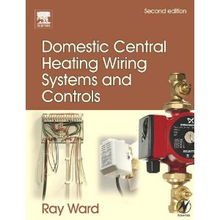
Central Heating Systems: The Traditional Backbone of Home Warmth
Central heating remains a dominant solution for whole-house winter heating, utilizing furnaces (gas, oil, or electric) or boilers to distribute warmth via ductwork or radiators. Modern high-efficiency furnaces achieve AFUE ratings exceeding 98%, converting nearly all fuel into usable heat. Forced-air systems offer rapid temperature adjustment and integrate seamlessly with central air conditioning and humidification. Boiler systems, circulating hot water through radiators or underfloor pipes, provide exceptionally consistent, draft-free warmth ideal for allergy sufferers. Key considerations include fuel availability (natural gas vs. propane vs. heating oil
), existing infrastructure, and upfront installation costs versus long-term operational savings. Professional HVAC assessment is essential to determine proper system sizing; an oversized unit wastes energy through short cycling, while undersized equipment struggles in extreme cold. Regular maintenance—filter changes, duct sealing, burner cleaning—optimizes efficiency and extends system lifespan, making central heating a reliable cornerstone of winter comfort.
Underfloor Heating: Radiant Comfort and Energy Efficiency
Underfloor heating (UFH
), particularly hydronic systems, represents a premium winter heating solution delivering unparalleled comfort. By circulating warm water through pipes embedded in floors, UFH creates uniform radiant heat rising evenly through the room. This method eliminates cold spots and dust circulation associated with forced air, significantly benefiting respiratory health. Hydronic systems operate efficiently at lower water temperatures (104°F-140°F) than traditional radiators, pairing exceptionally well with condensing boilers or heat pumps. Electric mat systems offer easier retrofitting in specific rooms like bathrooms. While installation costs are higher—especially for whole-house hydronic setups requiring floor removal—operational savings of 15-30% over forced air are achievable due to reduced heat loss and lower thermostat settings (radiant heat feels warmer at lower air temperatures). Ideal for tile, stone, or polished concrete floors with high thermal mass, UFH provides luxurious, silent warmth. Integrating smart thermostats with zone controls allows precise room-by-room temperature management, further enhancing this solution’s energy-saving potential during winter months.
Heat Pumps: The Versatile and Sustainable Heating Revolution
Modern heat pumps have transformed into the most efficient all-electric winter heating solution, capable of extracting ambient heat from outdoor air (air-source) or the ground (geothermal) even in sub-freezing temperatures. Advanced cold-climate air-source heat pumps (ccASHP) maintain efficiency down to -15°F, using variable-speed compressors and enhanced refrigerants. They deliver 2-4 times more heat energy than the electricity consumed (COP of 2.5-4+
), drastically reducing carbon footprints. Geothermal systems offer unparalleled year-round efficiency by leveraging stable underground temperatures but require significant excavation investment. Ductless mini-splits provide flexible zoned heating without ductwork, perfect for room additions or older homes. Key advantages include combined heating/cooling functionality, eligibility for substantial tax credits and rebates, and ultra-quiet operation. Proper sizing, professional installation, and strategic placement of outdoor units are critical for optimal winter performance in frigid climates. Integrating auxiliary heat strips or hybrid systems (pairing a heat pump with a gas furnace) can provide backup assurance during extreme cold snaps, solidifying heat pumps as a top-tier heating solution.
Selecting the best winter heating solution requires balancing comfort needs, budget, energy prices, climate severity, and home characteristics. High-efficiency options like heat pumps and modern hydronic systems offer significant long-term savings and environmental benefits, while robust central systems provide proven reliability. Consult qualified HVAC professionals for home assessments, obtain multiple quotes, and consider lifecycle costs—not just upfront expenses—to ensure your winter heating solution delivers optimal warmth and efficiency for years to come.
© 版权声明
文章版权归作者所有,未经允许请勿转载。
相关文章




暂无评论...

