
Winter Heating Methods, Creating a Warm and Comfortable Home Environment

As temperatures plummet, mastering efficient winter heating methods becomes crucial for household comfort and energy conservation. This comprehensive guide explores traditional and modern heating systems, practical energy-saving techniques, and smart solutions to transform your living space into a cozy haven during the coldest months.
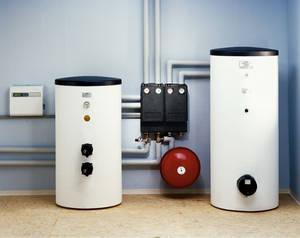
Traditional Heating Systems and Their Modern Evolution
Central heating radiators remain the cornerstone of winter warmth in many households. These systems operate by circulating heated water through a network of pipes connected to radiators strategically placed throughout the home. Modern radiator technology has evolved significantly with the introduction of thermostatic radiator valves (TRVs
), allowing precise temperature control in individual rooms. The installation of a programmable thermostat further enhances efficiency by automatically adjusting temperatures based on your daily schedule. Forced-air furnaces represent another prevalent heating method, utilizing ductwork to distribute warm air. These systems often integrate with central air conditioning units, providing year-round climate control. The efficiency of furnaces is measured by AFUE (Annual Fuel Utilization Efficiency) ratings, with modern high-efficiency models achieving up to 98.5% AFUE. Wood-burning stoves and fireplaces offer traditional ambiance but require proper ventilation systems and regular chimney maintenance to prevent carbon monoxide hazards. Contemporary pellet stoves provide a cleaner alternative, utilizing compressed biomass fuel that offers consistent heat output with reduced emissions.
Innovative Heating Technologies for Modern Homes
Heat pump technology represents a revolutionary approach to winter heating, offering remarkable energy efficiency. Air-source heat pumps extract ambient warmth from outdoor air even in freezing temperatures, transferring it indoors through a refrigeration cycle. These systems can deliver up to 300% efficiency, meaning they produce three units of heat for every unit of electricity consumed. Geothermal heating systems leverage the earth’s constant underground temperature through ground-source heat pumps. Though requiring significant upfront investment in underground loop installation, geothermal systems provide the lowest operating costs and longest equipment lifespan. Radiant floor heating systems distribute warmth evenly by circulating heated water through tubing beneath flooring surfaces or using electric heating elements. This method eliminates drafts and cold spots while maintaining optimal humidity levels. Smart thermostats have transformed temperature management through learning algorithms that adapt to your routines, remote control via smartphone apps, and integration with home automation systems. These devices can reduce heating costs by 10-15% through precise scheduling and occupancy detection.
Energy-Saving Strategies and Cost-Effective Winter Warmth
Proper insulation serves as the foundation of efficient winter heating. Attic insulation should meet or exceed R-38 standards, while wall insulation requires R-13 to R-21 depending on construction materials. Window upgrades to double or triple-pane models with low-emissivity coatings can reduce heat loss by 30-50%. Strategic weatherstripping around doors and windows prevents cold air infiltration, while insulating electrical outlets on exterior walls addresses often-overlooked thermal bridges. The practice of zone heating involves concentrating warmth in frequently used areas through space heaters or by closing vents in unused rooms. When selecting space heaters, ceramic and oil-filled radiator models provide the safest options with automatic shut-off features. Curtain management significantly impacts heat retention – opening south-facing window coverings during daylight hours captures solar gain, while closing all window treatments at night adds an insulating barrier. Maintaining heating systems through annual professional servicing ensures peak efficiency, with dirty filters alone causing up to 15% energy waste in forced-air systems. Setting thermostats to 68°F (20°C) when awake and lowering them by 7-10°F (4-6°C) during sleeping hours optimizes comfort and economy.
Implementing the right combination of heating technologies and energy conservation measures creates a warm sanctuary while minimizing environmental impact and utility expenses. By understanding the full spectrum of winter heating options from traditional radiators to cutting-edge heat pumps, and complementing them with strategic insulation and smart temperature management, households can achieve optimal comfort throughout the coldest seasons. Regular maintenance and mindful usage habits further ensure that your heating system operates at peak efficiency year after year.
© 版权声明
文章版权归作者所有,未经允许请勿转载。
相关文章





暂无评论...

