

This comprehensive guide delves into the world of runway run, exploring its significance in the fashion industry, essential modeling techniques, and the evolution of style. From historical roots to modern practices, we cover key aspects to help aspiring models and fashion enthusiasts understand the dynamics of runway shows, including tips on posture, confidence-building, and trend adaptation for a successful career in this competitive field.
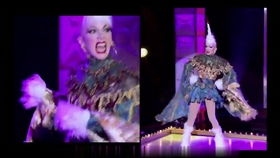
The Fundamentals of Runway Run
The term “runway run” refers to the act of models walking down a runway during fashion shows, showcasing designer collections to audiences and buyers. This practice has deep historical roots, dating back to the early 20th century when Parisian couturiers like Charles Frederick Worth pioneered live presentations to display haute couture. Over time, the runway run evolved into a global phenomenon, with events like New York Fashion Week and Milan Fashion Week setting industry standards. A successful runway run involves more than just walking; it requires precise choreography, timing, and an understanding of the designer’s vision to convey the garment’s story effectively. Models must master the art of movement, ensuring their stride is confident yet fluid, with head held high and shoulders relaxed to emphasize the clothing. Key elements include maintaining a consistent pace—often around 100-120 steps per minute—to match the music and lighting cues, while incorporating subtle gestures like hand placements or pauses to highlight intricate details. The fashion industry relies heavily on these performances to generate buzz, drive sales, and influence trends, making the runway run a critical component of seasonal collections. Aspiring models should focus on building a strong foundation through training programs that cover runway etiquette, such as how to navigate turns and interact with photographers, as well as physical conditioning to endure long hours in high heels. Additionally, understanding the business side, like networking with agencies and attending castings, is vital for securing opportunities in competitive markets. By studying iconic runway moments, such as Naomi Campbell’s legendary walks or Alexander McQueen’s theatrical shows, one gains insights into the blend of artistry and professionalism that defines this craft. Ultimately, the runway run symbolizes the fusion of creativity and commerce, where every step can launch careers and shape the future of fashion.
Mastering Modeling Techniques for Runway Success
Modeling techniques are essential for excelling in a runway run, encompassing a range of skills from posture and expression to adaptability under pressure. Start with posture: models must develop a straight spine and engaged core to project confidence, often through exercises like Pilates or yoga that improve balance and alignment. This foundation allows for a graceful walk, where the feet move in a straight line, hips sway minimally, and arms swing naturally to avoid distracting from the outfit. Facial expression is equally important; a neutral or composed look conveys sophistication, while subtle variations can match the show’s theme—e.g., a fierce gaze for edgy collections or a soft smile for romantic designs. Practicing in front of mirrors or with coaches helps refine these nuances, ensuring consistency across different runway environments. Another critical technique is versatility; models must adapt to various styles, from haute couture to streetwear, by studying the designer’s inspiration and incorporating it into their walk. This might involve altering stride length or energy levels—slower for dramatic pieces, faster for casual wear—to enhance the narrative. Runway runs also demand resilience, as models face challenges like slippery surfaces, heavy costumes, or last-minute changes; building mental toughness through visualization and breathing exercises can prevent mishaps. Industry professionals emphasize the importance of networking, as attending workshops and collaborating with photographers builds a portfolio that showcases versatility. Additionally, modern modeling techniques include digital savviness, such as using social media to gain exposure and understanding how virtual runways (e.g., via VR technology) are reshaping the industry. Nutrition and skincare play supporting roles; maintaining a healthy diet and hydration ensures peak physical condition, while professional grooming guarantees a polished appearance. By mastering these techniques, models not only elevate their runway runs but also open doors to broader opportunities in advertising and editorial work, contributing to the dynamic evolution of the fashion landscape.
The Evolution of Style in Runway Fashion
Style evolution in runway fashion reflects broader cultural shifts, from the opulent designs of the 1950s to today’s inclusive, sustainable trends, influencing how runway runs are executed. Historically, style began with structured silhouettes and tailored elegance, as seen in Christian Dior’s “New Look,” which emphasized hourglass figures and set the stage for runway presentations. Over decades, evolution accelerated with movements like punk in the 1970s, introducing rebellious elements like leather and spikes, and minimalism in the 1990s, favoring clean lines and neutral palettes that transformed runway walks into understated performances. This progression mirrors societal changes; for instance, the rise of diversity in the 2000s saw models of all sizes, ethnicities, and genders on runways, promoting inclusivity and altering traditional modeling techniques to celebrate individuality. Modern style emphasizes sustainability, with designers like Stella McCartney using eco-friendly materials, prompting models to adapt their runway runs to highlight ethical fashion through deliberate, mindful movements. Technology has further driven evolution, with digital runways and AI-generated designs enabling virtual shows that require new skills, such as interacting with augmented reality elements. Key trends include gender-fluid fashion, where androgynous styles blur lines, and streetwear’s influence, making runway runs more casual and accessible. To stay relevant, models must continuously learn, attending trend forecasts and collaborating with stylists to incorporate current themes—e.g., bold colors or oversized fits—into their walks. The fashion industry’s shift towards fast fashion and social media has also democratized style, allowing emerging designers to showcase on global platforms, thus diversifying runway opportunities. By examining iconic evolutions, like how Alexander McQueen fused technology with artistry, one appreciates how style innovations redefine runway runs, making them not just displays but cultural statements. This ongoing transformation ensures that fashion remains a dynamic force, with each runway run contributing to the narrative of change and creativity.
In summary, the runway run is a multifaceted art form that integrates fashion industry expertise, advanced modeling techniques, and the continuous evolution of style. By mastering foundational skills, embracing adaptability, and staying attuned to trends, models can thrive in this competitive arena, while the broader industry benefits from innovations that promote inclusivity and sustainability. This holistic approach ensures that runway runs remain powerful platforms for artistic expression and career growth.
© 版权声明
文章版权归作者所有,未经允许请勿转载。
相关文章




暂无评论...

