
Outdoor Camping Gear: Key Factors to Consider Before Buying

This guide helps cross-border e-commerce buyers and sellers evaluate outdoor camping gear effectively. You'll learn key categories, evaluation criteria, common pitfalls, and practical next steps to make informed purchasing decisions in 2026.
Why Outdoor Camping Gear Matters in 2026
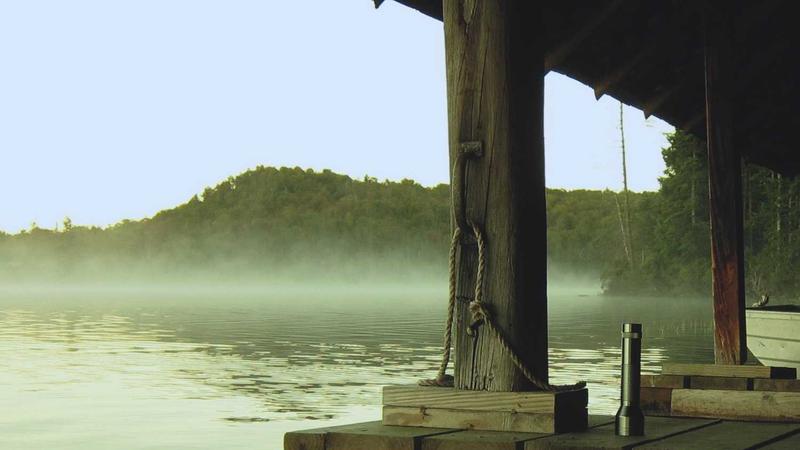
Outdoor camping gear remains a high-demand category in cross-border e-commerce, driven by a global shift toward outdoor recreation and sustainability. For buyers, selecting gear that balances durability, weight, and cost is critical. For sellers, offering reliable products reduces returns and builds brand trust.
In 2026, market trends include eco-friendly materials, lightweight designs, and multi-functional items. Understanding these factors helps you make informed purchasing decisions, whether you're a consumer or a reseller.
Key Categories and Types of Outdoor Camping Gear
Outdoor camping gear spans several core categories. Each has distinct specifications and price ranges, so it's essential to know what you're buying.
Shelter: tents, tarps, hammocks. Tents range from ultralight (1-2 kg) to family-sized (5+ kg). Prices vary from $50 for basic models to over $500 for expedition-grade.
Sleeping systems: sleeping bags, pads, pillows. Temperature ratings (e.g., 0°C, -10°C) and insulation type (down vs. synthetic) affect cost and packability.
Cooking and hydration: stoves, cookware, water filters. Stoves use canister, liquid, or wood fuel; prices range from $20 to $200.
Backpacks: daypacks (20-40L) and multi-day packs (50-80L). Fit and load transfer are key; prices typically $50-$300.
Lighting and navigation: headlamps, lanterns, GPS devices. Brightness (lumens) and battery type matter.
Tools and safety: multi-tools, first aid kits, emergency blankets. These are often low-cost but crucial.
- Shelter: tents, tarps, hammocks
- Sleeping: bags, pads, pillows
- Cooking & hydration: stoves, cookware, filters
- Backpacks: daypacks, multi-day packs
- Lighting & navigation: headlamps, GPS
- Tools & safety: multi-tools, first aid
How to Evaluate Outdoor Camping Gear: Criteria and Trade-offs
When evaluating gear, consider weight, durability, packability, weather resistance, and ease of use. Trade-offs are inevitable: ultralight gear often costs more and may be less durable; budget gear may be heavier or bulkier.
Check material specifications (e.g., denier for fabrics, aluminum vs. steel for poles), waterproof ratings (e.g., 3000mm for tents), and temperature ratings for sleeping bags. Read verified reviews and look for independent tests.
For cross-border buyers, factor in shipping costs, import duties, and lead times. A cheaper product may not be a bargain if shipping is high or delivery takes a month. Always verify the seller's return policy and warranty.
- Weight vs. durability: ultralight vs. heavy-duty
- Packability: compressed size matters for backpacking
- Weather resistance: waterproof ratings, wind resistance
- Ease of setup: consider poles, stakes, and instructions
- Price vs. performance: set a budget and prioritize features
Common Pitfalls When Dealing with Outdoor Camping Gear
One common pitfall is overrating product specs. Some sellers exaggerate capacity, temperature ratings, or waterproofing. Always cross-check with user photos and videos.
Another issue is underestimating weight and packed size. A tent that weighs 2 kg may feel light, but when added to a pack, it can be cumbersome. Check the 'packed size' and compare with your carry capacity.
Also, be wary of counterfeit or unbranded gear that may fail in critical conditions. For safety-critical items like climbing gear or stoves, stick to established brands and official distributors.
Finally, ignoring local regulations (e.g., fire bans, tent restrictions) can lead to fines or safety hazards. Research your destination's rules before purchasing.
Practical Recommendations and Next Steps
Before buying, define your use case: car camping vs. backpacking, summer vs. winter, solo vs. group. This narrows down your options and prevents overspending.
Create a budget and allocate more to items that impact safety and comfort (e.g., sleeping bag, tent). For less critical items, you can compromise on weight or brand.
When sourcing from cross-border e-commerce, compare total cost including shipping and taxes. Use filters for verified sellers and read return policies. If possible, order samples for bulk purchases.
For sellers, focus on accurate product descriptions and high-quality images. Offer bundle deals to increase average order value. Monitor customer feedback to improve product selection.
- Define your camping style and season
- Set a budget and prioritize safety-critical items
- Compare total cost (price + shipping + duties)
- Read verified reviews and check seller ratings
- Test gear before a long trip if possible
Key Takeaways
Outdoor camping gear offers significant opportunities, but success depends on careful selection. Focus on your needs, prioritize safety and durability, and always consider total cost and logistics. For buyers, research thoroughly; for sellers, provide transparent product information. Use this guide as a checklist to navigate the market confidently.
This article is compiled by kuajing168.cn for reference only. Please refer to the official announcements of each platform for the latest policies and rates.
© 版权声明
文章版权归作者所有,未经允许请勿转载。
相关文章





暂无评论...
Warning: Illegal string offset 'count' in /www/wwwroot/www.kuajing168.cn/wp-content/themes/onenavtt/inc/widgets/w.carousel.php on line 239
Warning: Illegal string offset 'imgs' in /www/wwwroot/www.kuajing168.cn/wp-content/themes/onenavtt/inc/widgets/w.carousel.php on line 240
Warning: Invalid argument supplied for foreach() in /www/wwwroot/www.kuajing168.cn/wp-content/themes/onenavtt/inc/widgets/w.carousel.php on line 243
Warning: Illegal string offset 'is_tow' in /www/wwwroot/www.kuajing168.cn/wp-content/themes/onenavtt/inc/widgets/w.carousel.php on line 264
Warning: Illegal string offset 'two' in /www/wwwroot/www.kuajing168.cn/wp-content/themes/onenavtt/inc/widgets/w.carousel.php on line 265
Warning: Illegal string offset 'is_hot' in /www/wwwroot/www.kuajing168.cn/wp-content/themes/onenavtt/inc/widgets/w.carousel.php on line 299
Warning: Illegal string offset 'hot' in /www/wwwroot/www.kuajing168.cn/wp-content/themes/onenavtt/inc/widgets/w.carousel.php on line 300
Warning: Illegal string offset 'title_ico' in /www/wwwroot/www.kuajing168.cn/wp-content/themes/onenavtt/inc/widgets/w.carousel.php on line 300
Warning: Illegal string offset 'hot' in /www/wwwroot/www.kuajing168.cn/wp-content/themes/onenavtt/inc/widgets/w.carousel.php on line 300
Warning: Illegal string offset 'title_ico' in /www/wwwroot/www.kuajing168.cn/wp-content/themes/onenavtt/inc/widgets/w.carousel.php on line 300
Warning: Illegal string offset 'hot' in /www/wwwroot/www.kuajing168.cn/wp-content/themes/onenavtt/inc/widgets/w.carousel.php on line 303
Warning: Illegal string offset 'title' in /www/wwwroot/www.kuajing168.cn/wp-content/themes/onenavtt/inc/widgets/w.carousel.php on line 303
Warning: Illegal string offset 'hot' in /www/wwwroot/www.kuajing168.cn/wp-content/themes/onenavtt/inc/widgets/w.carousel.php on line 304
Warning: Illegal string offset 'post_type' in /www/wwwroot/www.kuajing168.cn/wp-content/themes/onenavtt/inc/widgets/w.single.posts.php on line 212
Warning: Illegal string offset 'post_type' in /www/wwwroot/www.kuajing168.cn/wp-content/themes/onenavtt/inc/widgets/w.single.posts.php on line 226
Warning: Illegal string offset 'only_title' in /www/wwwroot/www.kuajing168.cn/wp-content/themes/onenavtt/inc/widgets/w.single.posts.php on line 227
Warning: Illegal string offset 'orderby' in /www/wwwroot/www.kuajing168.cn/wp-content/themes/onenavtt/inc/widgets/w.single.posts.php on line 235





































































































