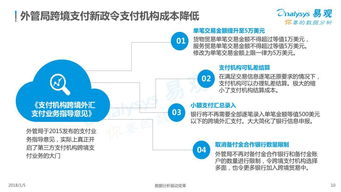

Cross-border payment regulations are reshaping global e-commerce, affecting transaction costs, settlement times, and market access. This guide breaks down the key types of regulations, how to evaluate them, common pitfalls, and actionable next steps for sellers and buyers in 2026.
Why Cross-Border Payment Regulations Matter in 2026

In 2026, cross-border payment regulations are no longer a back-office concern. They directly impact transaction costs, settlement times, and market access for both buyers and sellers. With the rapid growth of cross-border e-commerce, regulators worldwide are tightening rules to prevent money laundering, tax evasion, and fraud. For sellers, non-compliance can lead to frozen funds, fines, or being banned from major payment platforms. For buyers, these regulations affect the fees you pay, the payment methods available, and the speed of refunds.
This article provides a structured overview of the key types of regulations, how to evaluate them for your business, common pitfalls, and practical steps to stay compliant and competitive. Whether you are an established seller or just starting, understanding these rules is essential for smooth cross-border transactions.
Key Types of Cross-Border Payment Regulations
Cross-border payment regulations can be grouped into several categories. Knowing the differences helps you plan your compliance strategy and choose the right payment partners.
- Data privacy and protection: Regulations like GDPR in Europe and PIPL in China dictate how customer data is stored, processed, and transferred. Non-compliance can result in heavy fines and loss of consumer trust.
- Anti-money laundering (AML) and counter-terrorist financing (CTF): These rules require payment providers to verify customer identities (KYC) and monitor transactions for suspicious activity. Sellers must provide detailed business information and may face transaction limits until fully verified.
- Licensing and registration: Payment service providers (PSPs) must hold licenses in the jurisdictions they operate. For example, the EU's PSD2 directive and the US state-based money transmitter licenses. Using an unlicensed provider can expose you to legal risks.
- Tax reporting: Regulations like the OECD's DAC7 and the US's Form 1099-K require platforms to report seller income to tax authorities. Sellers must ensure accurate tax information is filed to avoid penalties.
- Cross-border data transfer restrictions: Some countries (e.g., Russia, China) require local data storage, impacting how payment data is handled. This can affect your choice of PSP and add operational complexity.
How to Evaluate Cross-Border Payment Regulations: Criteria and Trade-offs
When selecting a payment provider or planning your compliance approach, consider these criteria. There is no one-size-fits-all solution; each involves trade-offs.
- Compliance coverage: Does the PSP have licenses in your target markets? A PSP with broad coverage simplifies compliance but may charge higher fees. For example, a global PSP like Stripe or Adyen covers many jurisdictions but may cost 2.9% + $0.30 per transaction (indicative).
- Settlement speed: Regulations can affect how quickly funds are settled. Some markets require longer holding periods for first-time sellers. Faster settlement often comes with higher fees or stricter verification.
- Data handling: Check how the PSP stores and transfers data. If you sell to EU customers, ensure the PSP is GDPR-compliant. Some PSPs offer local data residency to meet specific country requirements, but this can increase costs.
- Fee structure: Compare transaction fees, currency conversion margins, and cross-border fees. For instance, PayPal charges ~4.4% for international transactions (indicative), while a local PSP might charge lower but require separate integration for each market.
- Customer experience: Regulations can force additional authentication steps (e.g., 3D Secure). Balance security with friction. A PSP that offers a seamless checkout while meeting regulatory requirements is valuable.
Common Pitfalls When Dealing with Cross-Border Payment Regulations
Many sellers and buyers make avoidable mistakes. Here are the most frequent pitfalls and how to avoid them.
- Ignoring local regulations: Assuming that your home country's rules apply everywhere. For example, selling to Brazil requires compliance with local data protection laws (LGPD) and tax registration. Failing to do so can lead to account freezes.
- Using unverified payment providers: Some providers claim to be 'global' but lack proper licenses. Always check their regulatory status with local authorities.
- Incorrect tax information: Providing wrong tax IDs or failing to report income can trigger audits and penalties. Keep your tax details updated on all platforms.
- Overlooking settlement delays: New regulations may cause delays in fund settlements. Build a cash flow buffer to avoid liquidity issues.
- Not planning for currency fluctuations: Regulations can affect exchange rates and conversion costs. Use hedging or multi-currency accounts to mitigate risks.
Practical Recommendations and Next Steps
To navigate cross-border payment regulations effectively, take these concrete steps.
- Audit your current payment flows: Identify all the countries you sell to or buy from and list the applicable regulations. Use official sources like the European Commission's payment services page or the US FinCEN website.
- Choose a PSP with transparent compliance: Request a compliance summary from potential PSPs. Ask about their licenses, data handling, and settlement policies. Compare fees and coverage.
- Implement a compliance calendar: Track regulatory deadlines (e.g., tax reporting dates, license renewals) to avoid last-minute surprises.
- Diversify payment methods: Offer multiple payment options to reduce reliance on a single PSP. This also helps if one provider faces regulatory issues.
- Consult a cross-border payment specialist: For complex markets, hire a consultant or legal advisor who understands local regulations. This is especially useful for high-volume sellers.
Key Takeaways
Cross-border payment regulations are complex but manageable. By understanding the types, evaluating providers based on compliance, fees, and speed, and avoiding common pitfalls, you can turn regulatory compliance into a competitive advantage. Start by auditing your current payment flows, choosing a compliant PSP, and staying informed about changes. Regularly review your strategy as regulations evolve.
This article is compiled by kuajing168.cn for reference only. Please refer to the official announcements of each platform for the latest policies and rates.
© 版权声明
文章版权归作者所有,未经允许请勿转载。
相关文章






暂无评论...
Warning: Illegal string offset 'count' in /www/wwwroot/www.kuajing168.cn/wp-content/themes/onenavtt/inc/widgets/w.carousel.php on line 239
Warning: Illegal string offset 'imgs' in /www/wwwroot/www.kuajing168.cn/wp-content/themes/onenavtt/inc/widgets/w.carousel.php on line 240
Warning: Invalid argument supplied for foreach() in /www/wwwroot/www.kuajing168.cn/wp-content/themes/onenavtt/inc/widgets/w.carousel.php on line 243
Warning: Illegal string offset 'is_tow' in /www/wwwroot/www.kuajing168.cn/wp-content/themes/onenavtt/inc/widgets/w.carousel.php on line 264
Warning: Illegal string offset 'two' in /www/wwwroot/www.kuajing168.cn/wp-content/themes/onenavtt/inc/widgets/w.carousel.php on line 265
Warning: Illegal string offset 'is_hot' in /www/wwwroot/www.kuajing168.cn/wp-content/themes/onenavtt/inc/widgets/w.carousel.php on line 299
Warning: Illegal string offset 'hot' in /www/wwwroot/www.kuajing168.cn/wp-content/themes/onenavtt/inc/widgets/w.carousel.php on line 300
Warning: Illegal string offset 'title_ico' in /www/wwwroot/www.kuajing168.cn/wp-content/themes/onenavtt/inc/widgets/w.carousel.php on line 300
Warning: Illegal string offset 'hot' in /www/wwwroot/www.kuajing168.cn/wp-content/themes/onenavtt/inc/widgets/w.carousel.php on line 300
Warning: Illegal string offset 'title_ico' in /www/wwwroot/www.kuajing168.cn/wp-content/themes/onenavtt/inc/widgets/w.carousel.php on line 300
Warning: Illegal string offset 'hot' in /www/wwwroot/www.kuajing168.cn/wp-content/themes/onenavtt/inc/widgets/w.carousel.php on line 303
Warning: Illegal string offset 'title' in /www/wwwroot/www.kuajing168.cn/wp-content/themes/onenavtt/inc/widgets/w.carousel.php on line 303
Warning: Illegal string offset 'hot' in /www/wwwroot/www.kuajing168.cn/wp-content/themes/onenavtt/inc/widgets/w.carousel.php on line 304
Warning: Illegal string offset 'post_type' in /www/wwwroot/www.kuajing168.cn/wp-content/themes/onenavtt/inc/widgets/w.single.posts.php on line 212
Warning: Illegal string offset 'post_type' in /www/wwwroot/www.kuajing168.cn/wp-content/themes/onenavtt/inc/widgets/w.single.posts.php on line 226
Warning: Illegal string offset 'only_title' in /www/wwwroot/www.kuajing168.cn/wp-content/themes/onenavtt/inc/widgets/w.single.posts.php on line 227
Warning: Illegal string offset 'orderby' in /www/wwwroot/www.kuajing168.cn/wp-content/themes/onenavtt/inc/widgets/w.single.posts.php on line 235





































































































