
Outdoor camping gear: setup, costs, and pitfalls

This guide provides a structured approach to evaluating outdoor campinggear for cross-border e-commerce. You will learn key product categories, specific evaluation criteria, typical price ranges, and common pitfalls to avoid, enabling smarter buying and selling decisions in 2026.
Why Outdoor Camping Gear Matters in 2026
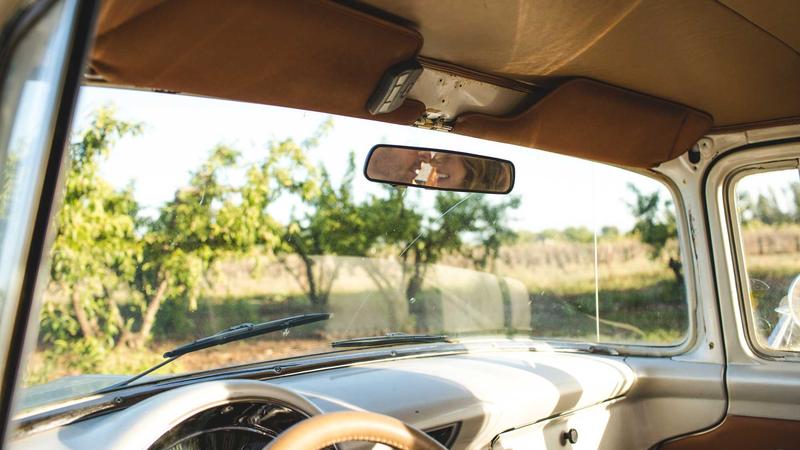
Outdoor camping gear remains a high-demand category in cross-border e-commerce, driven by a global shift toward outdoor recreation and staycations. For buyers, selecting reliable gear is crucial for safety and comfort. For sellers, offering quality products builds trust and repeat business. This guide provides a structured framework for evaluating outdoor camping gear, focusing on practical criteria, typical costs, and common mistakes.
In 2026, sustainability and lightweight design are prominent trends, but functionality and durability still dominate purchase decisions. Understanding these factors helps both parties align expectations and reduce returns.
Key Categories of Outdoor Camping Gear
Outdoor camping gear spans several core categories, each with distinct specifications and price points. Familiarity with these helps narrow down product selection and avoid mismatched purchases.
Shelter: tents, tarps, hammocks. Tents range from lightweight backpacking models (1-2 kg, $100-$300) to family-sized cabins (5-8 kg, $200-$500). Tarps and hammocks are cheaper ($30-$100) but offer less protection.
Sleeping: sleeping bags, pads, pillows. Sleeping bags vary by temperature rating (e.g., +5°C to -10°C) and fill type (down vs. synthetic). Prices range from $50 for basic summer bags to $400 for expedition-grade. Sleeping pads (foam or inflatable) cost $20-$150.
Cooking: stoves, cookware, utensils. Stoves run on canister gas, liquid fuel, or wood. Basic canister stoves are $20-$50, while multi-fuel models reach $150. Cookware sets (aluminum or titanium) cost $30-$200.
Lighting: headlamps, lanterns, flashlights. LED options range from $10 keychain lights to $100 high-lumen headlamps with rechargeable batteries.
Navigation and safety: GPS devices, compasses, first-aid kits, emergency blankets. GPS units cost $100-$500, while basic compasses are $10-$30. First-aid kits vary from $15 to $60.
- Shelter: tents, tarps, hammocks
- Sleeping: bags, pads, pillows
- Cooking: stoves, cookware, utensils
- Lighting: headlamps, lanterns, flashlights
- Navigation and safety: GPS, compass, first-aid
How to Evaluate Outdoor Camping Gear: Criteria and Trade-offs
When assessing gear, focus on four criteria: weight, durability, weather resistance, and ease of use. Trade-offs are inevitable: lighter gear often costs more and is less durable; heavier gear may be cheaper but harder to carry. For example, a 2-person ultralight tent weighs 1 kg but costs $400, while a standard 2-person tent weighs 3 kg and costs $150. Choose based on intended use (backpacking vs. car camping).
Material quality is key. Look for ripstop nylon or polyester for tents, aluminum or carbon fiber for poles, and down or high-loft synthetic for sleeping bags. Check waterproof ratings (e.g., 3000mm+ for rainfly) and breathability (for condensation control). For stoves, check fuel efficiency and boil time (e.g., 3-4 minutes per liter).
Always verify dimensions and compatibility. For example, a sleeping pad must fit the tent floor, and a stove must match the fuel canister type (screw vs. clamp). Read user reviews for real-world performance, but be cautious of fake reviews. If possible, request a sample for hands-on testing before bulk orders.
- Weight: balance portability and durability
- Durability: fabric denier, zipper quality, frame strength
- Weather resistance: waterproof rating, wind stability
- Ease of use: setup time, pack size, intuitive design
Common Pitfalls When Dealing with Outdoor Camping Gear
Pitfall 1: Ignoring seasonal and regional differences. A tent rated for summer may fail in winter. Always match gear to the expected climate. For cross-border trade, consider the destination's average temperatures and humidity.
Pitfall 2: Overemphasizing brand over specifications. Brand names can inflate prices without guaranteeing quality. Compare specs and reviews objectively.
Pitfall 3: Underestimating shipping costs and lead times. Bulky items like tents incur high freight charges. Indicative shipping times range from 10-30 days for sea freight to 3-7 days for air, but these are subject to carrier schedules and customs. Confirm costs before committing.
Pitfall 4: Neglecting warranty and after-sales support. Some suppliers offer limited warranties (e.g., 1 year) but no repair parts. Clarify return policies and replacement procedures in writing.
Pitfall 5: Falling for misleading marketing. Terms like 'waterproof' can be vague. Check specific ratings (e.g., 5000mm) and test claims if possible.
Practical Recommendations and Next Steps
For buyers: start with a clear use case (backpacking, family camping, festival). Create a checklist of must-have features and set a budget. Always cross-check dimensions and weights. For high-value items, consider purchasing from suppliers with sample programs.
For sellers: source from manufacturers with certifications (e.g., CE, UIAA) and request quality control reports. Offer bundles (e.g., tent + sleeping bag) to increase average order value. Provide detailed product descriptions with spec tables and realistic images.
Next steps: compile a shortlist of 3-5 products from different categories, request samples, test them under real conditions, and compare against this guide's criteria. For cross-border e-commerce, verify import duties and product compliance for target markets (e.g., REACH in EU, CPSC in US).
Key Takeaways
Outdoor camping gear requires careful evaluation of weight, durability, weather resistance, and usability. By understanding categories, setting clear criteria, and avoiding common pitfalls, you can make informed decisions. Next, test samples, verify compliance, and build a product lineup that balances quality and cost. Prices and policies are indicative; always confirm with official sources.
This article is compiled by kuajing168.cn for reference only. Please refer to the official announcements of each platform for the latest policies and rates.
© 版权声明
文章版权归作者所有,未经允许请勿转载。
相关文章



暂无评论...
Warning: Illegal string offset 'count' in /www/wwwroot/www.kuajing168.cn/wp-content/themes/onenavtt/inc/widgets/w.carousel.php on line 239
Warning: Illegal string offset 'imgs' in /www/wwwroot/www.kuajing168.cn/wp-content/themes/onenavtt/inc/widgets/w.carousel.php on line 240
Warning: Invalid argument supplied for foreach() in /www/wwwroot/www.kuajing168.cn/wp-content/themes/onenavtt/inc/widgets/w.carousel.php on line 243
Warning: Illegal string offset 'is_tow' in /www/wwwroot/www.kuajing168.cn/wp-content/themes/onenavtt/inc/widgets/w.carousel.php on line 264
Warning: Illegal string offset 'two' in /www/wwwroot/www.kuajing168.cn/wp-content/themes/onenavtt/inc/widgets/w.carousel.php on line 265
Warning: Illegal string offset 'is_hot' in /www/wwwroot/www.kuajing168.cn/wp-content/themes/onenavtt/inc/widgets/w.carousel.php on line 299
Warning: Illegal string offset 'hot' in /www/wwwroot/www.kuajing168.cn/wp-content/themes/onenavtt/inc/widgets/w.carousel.php on line 300
Warning: Illegal string offset 'title_ico' in /www/wwwroot/www.kuajing168.cn/wp-content/themes/onenavtt/inc/widgets/w.carousel.php on line 300
Warning: Illegal string offset 'hot' in /www/wwwroot/www.kuajing168.cn/wp-content/themes/onenavtt/inc/widgets/w.carousel.php on line 300
Warning: Illegal string offset 'title_ico' in /www/wwwroot/www.kuajing168.cn/wp-content/themes/onenavtt/inc/widgets/w.carousel.php on line 300
Warning: Illegal string offset 'hot' in /www/wwwroot/www.kuajing168.cn/wp-content/themes/onenavtt/inc/widgets/w.carousel.php on line 303
Warning: Illegal string offset 'title' in /www/wwwroot/www.kuajing168.cn/wp-content/themes/onenavtt/inc/widgets/w.carousel.php on line 303
Warning: Illegal string offset 'hot' in /www/wwwroot/www.kuajing168.cn/wp-content/themes/onenavtt/inc/widgets/w.carousel.php on line 304
Warning: Illegal string offset 'post_type' in /www/wwwroot/www.kuajing168.cn/wp-content/themes/onenavtt/inc/widgets/w.single.posts.php on line 212
Warning: Illegal string offset 'post_type' in /www/wwwroot/www.kuajing168.cn/wp-content/themes/onenavtt/inc/widgets/w.single.posts.php on line 226
Warning: Illegal string offset 'only_title' in /www/wwwroot/www.kuajing168.cn/wp-content/themes/onenavtt/inc/widgets/w.single.posts.php on line 227
Warning: Illegal string offset 'orderby' in /www/wwwroot/www.kuajing168.cn/wp-content/themes/onenavtt/inc/widgets/w.single.posts.php on line 235





































































































