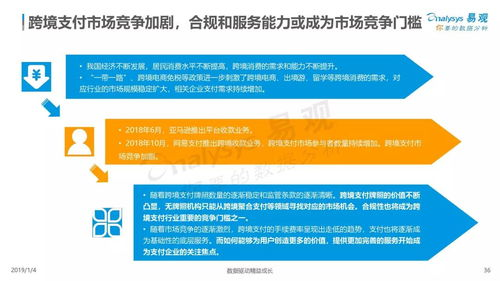
Currency Exchange Alerts for Cross-Border Sellers: Save Time and Money

In 2026, cross-border sellers face constant currency fluctuations that can erode profits. This guide explains how currency exchange rate alerts work, what to look for, and how to avoid common mistakes. You'll learn practical steps to set up alerts that save you time and money.
Why Currency Exchange Alerts Matter for Cross-Border Sellers in 2026

In 2026, cross-border e-commerce continues to grow, but currency volatility remains a major risk. Sellers who transact in multiple currencies face fluctuating profit margins, pricing challenges, and payment timing issues. A currency exchange rate alert is a tool that monitors specific exchange rates and notifies you when they hit a target level, enabling you to make timely decisions on conversions, pricing, or supplier payments.
For buyers and sellers, rate alerts reduce the time spent manually checking rates and help avoid unfavorable exchanges. They also provide a competitive edge by allowing you to lock in better rates or adjust product pricing dynamically. This guide will walk you through the types of alerts, evaluation criteria, common pitfalls, and practical steps to integrate alerts into your workflow.
- Volatility in 2026 is expected to continue due to geopolitical and economic factors, making alerts essential.
- Alerts save hours per week by automating rate monitoring.
- Timely alerts can save 1-3% per transaction, which directly impacts profit margins.
Key Types of Currency Exchange Rate Alerts
Currency exchange rate alerts come in several forms, each suited to different needs. The most common types are: simple threshold alerts, percentage movement alerts, and time-based alerts. Simple threshold alerts notify you when a rate reaches a specific value (e.g., EUR/USD = 1.10). Percentage movement alerts trigger when the rate changes by a set percentage (e.g., 2% up or down). Time-based alerts send regular updates at intervals (daily, weekly) regardless of movement.
Beyond basic alerts, some platforms offer predictive alerts using historical data and AI forecasts, which can be useful for planning but are not guaranteed. Also, consider the delivery method: email, SMS, push notifications, or even in-app alerts. For high-volume sellers, API-based alerts that integrate with your accounting or ERP systems can automate actions, but they require technical setup.
- Threshold alerts: set a specific rate target.
- Percentage alerts: trigger on relative movement.
- Time-based alerts: scheduled rate reports.
- Predictive alerts: use forecasts (with caution).
- Delivery channels: email, SMS, push, API.
How to Evaluate Currency Exchange Rate Alerts: Criteria and Trade-offs
When choosing an alert service, consider the following criteria: accuracy and reliability of rate data, latency (how quickly alerts are sent after the condition is met), customization options (multiple currency pairs, multiple thresholds), ease of use (setup and interface), and cost. Many services offer free basic alerts, but advanced features like API access or real-time data may require a subscription. Typical pricing ranges from $0 for basic email alerts to $30-100 per month for premium features, though some platforms charge per alert or per currency pair. These prices are indicative and subject to official updates.
Trade-offs are inevitable. Free alerts may have higher latency (e.g., 15-minute delayed rates) or limited currency pairs. Paid services often provide real-time data and more granular customization. Also, consider the platform's reputation and security if you link your bank or payment accounts. For most sellers, a mid-tier service with real-time alerts and multiple thresholds offers the best balance. Always test the service with a small period before committing.
- Accuracy: check if rates are from interbank or retail sources.
- Latency: free alerts may be delayed; real-time costs more.
- Customization: number of currency pairs and thresholds.
- Cost: free to $100/month, depending on features.
- Integration: API access for automation, if needed.
Common Pitfalls When Using Currency Exchange Rate Alerts
One common pitfall is relying solely on alerts without verifying the actual exchange rate offered by your payment processor or bank, as they often add a markup. Alerts may indicate a favorable market rate, but your conversion might still be poor due to hidden fees. Another pitfall is setting thresholds too tight, leading to excessive notifications and alert fatigue, or too loose, missing opportunities. A balanced approach is to set alerts at historically significant levels.
Additionally, some sellers ignore the impact of settlement time. Even if an alert triggers, the actual conversion may happen days later, and the rate may have moved. Consider using forward contracts or hedging tools if you need to lock rates. Lastly, beware of scams or unreliable services that promise unrealistic gains. Always use reputable platforms with transparent terms.
- Ignoring hidden fees from payment processors.
- Over- or under-setting thresholds.
- Forgetting settlement lag between alert and execution.
- Falling for unrealistic guarantees.
- Not testing alert services before relying on them.
Practical Recommendations and Next Steps
To get started, audit your current currency exposure: list all currency pairs you use, typical transaction volumes, and frequency. Then, choose a reliable alert service that fits your budget and technical needs. Set initial thresholds based on your profit margins and historical rate ranges. For example, if your margin is 15%, you might set an alert when the rate moves 2% against you.
Next, integrate alerts into your daily routine. Check alerts at a fixed time each day, and when an alert fires, act quickly but not impulsively. Consider using a multi-currency account or a payment platform that offers interbank rates to reduce conversion costs. Finally, review your alert settings quarterly to adjust to market conditions and your evolving business needs.
- Audit your currency pairs and volumes.
- Select a service with real-time alerts if possible.
- Set thresholds based on margin and volatility.
- Act on alerts within a few hours to avoid rate drift.
- Review and adjust settings quarterly.
Key Takeaways
Currency exchange rate alerts are a simple yet powerful tool for cross-border sellers. By understanding types, evaluating services, and avoiding pitfalls, you can protect your margins and make informed decisions. Start small, test, and refine your approach. Next steps: audit your currency needs, choose a reliable alert service, and set your first thresholds today.
This article is compiled by kuajing168.cn for reference only. Please refer to the official announcements of each platform for the latest policies and rates.
© 版权声明
文章版权归作者所有,未经允许请勿转载。
相关文章




暂无评论...
Warning: Illegal string offset 'count' in /www/wwwroot/www.kuajing168.cn/wp-content/themes/onenavtt/inc/widgets/w.carousel.php on line 239
Warning: Illegal string offset 'imgs' in /www/wwwroot/www.kuajing168.cn/wp-content/themes/onenavtt/inc/widgets/w.carousel.php on line 240
Warning: Invalid argument supplied for foreach() in /www/wwwroot/www.kuajing168.cn/wp-content/themes/onenavtt/inc/widgets/w.carousel.php on line 243
Warning: Illegal string offset 'is_tow' in /www/wwwroot/www.kuajing168.cn/wp-content/themes/onenavtt/inc/widgets/w.carousel.php on line 264
Warning: Illegal string offset 'two' in /www/wwwroot/www.kuajing168.cn/wp-content/themes/onenavtt/inc/widgets/w.carousel.php on line 265
Warning: Illegal string offset 'is_hot' in /www/wwwroot/www.kuajing168.cn/wp-content/themes/onenavtt/inc/widgets/w.carousel.php on line 299
Warning: Illegal string offset 'hot' in /www/wwwroot/www.kuajing168.cn/wp-content/themes/onenavtt/inc/widgets/w.carousel.php on line 300
Warning: Illegal string offset 'title_ico' in /www/wwwroot/www.kuajing168.cn/wp-content/themes/onenavtt/inc/widgets/w.carousel.php on line 300
Warning: Illegal string offset 'hot' in /www/wwwroot/www.kuajing168.cn/wp-content/themes/onenavtt/inc/widgets/w.carousel.php on line 300
Warning: Illegal string offset 'title_ico' in /www/wwwroot/www.kuajing168.cn/wp-content/themes/onenavtt/inc/widgets/w.carousel.php on line 300
Warning: Illegal string offset 'hot' in /www/wwwroot/www.kuajing168.cn/wp-content/themes/onenavtt/inc/widgets/w.carousel.php on line 303
Warning: Illegal string offset 'title' in /www/wwwroot/www.kuajing168.cn/wp-content/themes/onenavtt/inc/widgets/w.carousel.php on line 303
Warning: Illegal string offset 'hot' in /www/wwwroot/www.kuajing168.cn/wp-content/themes/onenavtt/inc/widgets/w.carousel.php on line 304
Warning: Illegal string offset 'post_type' in /www/wwwroot/www.kuajing168.cn/wp-content/themes/onenavtt/inc/widgets/w.single.posts.php on line 212
Warning: Illegal string offset 'post_type' in /www/wwwroot/www.kuajing168.cn/wp-content/themes/onenavtt/inc/widgets/w.single.posts.php on line 226
Warning: Illegal string offset 'only_title' in /www/wwwroot/www.kuajing168.cn/wp-content/themes/onenavtt/inc/widgets/w.single.posts.php on line 227
Warning: Illegal string offset 'orderby' in /www/wwwroot/www.kuajing168.cn/wp-content/themes/onenavtt/inc/widgets/w.single.posts.php on line 235





































































































