PayPal Chargeback Disputes: Essential Tools and Checklist

PayPalchargebacks can cost cross-border sellers money and account health. This guide gives you a practical framework for managing disputes in 2026, covering essential tools, evaluation criteria, common pitfalls, and a step-by-step checklist to protect your revenue.
Why PayPal Chargeback Dispute Management Matters in 2026

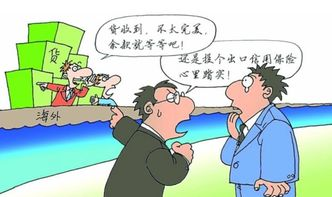
In cross-border e-commerce, PayPal remains a dominant payment method, but chargebacks are a persistent risk. A chargeback—when a buyer disputes a transaction with their card issuer or PayPal—can result in lost revenue, fees, and account restrictions. For sellers, effective PayPal chargeback dispute management is not optional; it's critical to protecting cash flow and maintaining a healthy seller rating.
By 2026, PayPal's dispute resolution process has evolved with stricter timelines and more evidence requirements. Sellers who lack a systematic approach often lose disputes they could have won. This guide provides a practical framework, covering the key tools, evaluation criteria, and a checklist to manage PayPal chargebacks effectively.
- Chargeback rates above 1% can lead to PayPal account holds or termination.
- Each dispute costs sellers time and potential fees, even if won.
- Proactive management reduces losses and improves buyer trust.
Key Categories of PayPal Chargeback Dispute Management Tools
PayPal chargeback dispute management tools fall into three main categories: evidence gathering, tracking and analytics, and automation. Each serves a distinct purpose, and sellers often combine them for a comprehensive approach.
Evidence gathering tools help you compile transaction details, tracking numbers, delivery confirmation, and communication logs. PayPal's own Resolution Center is the baseline, but third-party tools like Chargeback Gurus or Chargeflow can streamline evidence collection and submission.
Tracking and analytics tools monitor dispute metrics, identify patterns, and forecast risk. For example, Chargeflow and Justt offer dashboards that aggregate data across multiple platforms, helping you spot problem buyers or products.
Automation tools reduce manual effort by triggering responses, submitting evidence, and following up on deadlines. Tools like Chargeflow and PayPal's own automation features can save hours per dispute.
- Evidence gathering: PayPal Resolution Center, Chargeback Gurus, Chargeflow
- Tracking & analytics: Chargeflow, Justt, Kount (for fraud detection)
- Automation: Chargeflow, PayPal's Auto-Response, custom API integrations
How to Evaluate PayPal Chargeback Dispute Management Solutions
When choosing a tool or service, evaluate based on cost, integration, success rate, and ease of use. Pricing varies widely: basic tools may be free, while full-service providers charge a monthly fee plus a percentage of recovered funds—typically 15-30% of the dispute amount. Some platforms offer tiered plans starting around $99/month, but prices are indicative and subject to change.
Integration is crucial. Ensure the tool works with your e-commerce platform (Shopify, WooCommerce, etc.) and PayPal account. Check if it supports automatic evidence collection from carriers like USPS, FedEx, or DHL.
Success rate is a key metric, but be wary of unrealistic claims. Look for third-party reviews and case studies. Also, consider the learning curve: some tools require technical setup, while others are plug-and-play.
Trade-offs: full-service providers are expensive but save time; DIY tools are cheaper but require manual effort. Also, consider the volume of disputes—if you have fewer than 10 per month, manual management may suffice.
- Cost: monthly fees, per-case fees, or percentage of recovered funds (15-30%)
- Integration: platform compatibility, carrier integrations, API access
- Success rate: verify with independent reviews, not just marketing claims
- Ease of use: setup time, dashboard clarity, support quality
Common Pitfalls When Managing PayPal Chargebacks
Many sellers lose disputes due to avoidable mistakes. Ignoring deadlines is the most common—PayPal gives you a specific window (often 10-20 days) to respond. Missing it automatically loses the case.
Submitting weak evidence is another pitfall. A tracking number alone is often insufficient; you need proof of delivery to the exact address, signed proof if required, and communication logs showing the buyer's issue was addressed.
Failing to address the root cause—such as product quality issues or shipping delays—leads to repeat chargebacks. Sellers should analyze disputes to identify patterns and improve their operations.
Over-relying on PayPal's automation can backfire if it doesn't capture all evidence. Always review automated responses before submission.
- Missing response deadlines
- Insufficient evidence (e.g., no delivery confirmation)
- Ignoring repeat offenders or product issues
- Blindly trusting automation without review
Practical Recommendations and Next Steps
To build a robust PayPal chargeback dispute management process, start by setting up a standard operating procedure. Document every transaction with clear terms, use tracked shipping with signature confirmation for high-value orders, and maintain a communication log.
Invest in a tool that fits your volume. For small sellers, PayPal's Resolution Center plus manual tracking may suffice. For larger operations, consider a service like Chargeflow to automate evidence collection and submission.
Regularly review your dispute data to identify trends. If you see a spike from a specific country or product, adjust your selling strategy. Also, stay updated on PayPal's policy changes—they can affect your rights and obligations.
Finally, create a checklist for each dispute: verify the transaction, gather evidence, check deadlines, submit response, and follow up. This ensures consistency and reduces errors.
- Step 1: Audit your current dispute handling process.
- Step 2: Choose a tool based on your volume and budget.
- Step 3: Implement a standard evidence-gathering routine.
- Step 4: Set reminders for all response deadlines.
- Step 5: Review quarterly metrics to improve prevention.
Key Takeaways
Effective PayPal chargeback dispute management is a mix of process, tools, and vigilance. By understanding the tools, evaluating them against your needs, avoiding common mistakes, and following a structured checklist, you can minimize losses and maintain a healthy seller account. Start by assessing your current workflow and implementing the recommendations above.
This article is compiled by kuajing168.cn for reference only. Please refer to the official announcements of each platform for the latest policies and rates.
© 版权声明
文章版权归作者所有,未经允许请勿转载。
相关文章




暂无评论...
Warning: Illegal string offset 'count' in /www/wwwroot/www.kuajing168.cn/wp-content/themes/onenavtt/inc/widgets/w.carousel.php on line 239
Warning: Illegal string offset 'imgs' in /www/wwwroot/www.kuajing168.cn/wp-content/themes/onenavtt/inc/widgets/w.carousel.php on line 240
Warning: Invalid argument supplied for foreach() in /www/wwwroot/www.kuajing168.cn/wp-content/themes/onenavtt/inc/widgets/w.carousel.php on line 243
Warning: Illegal string offset 'is_tow' in /www/wwwroot/www.kuajing168.cn/wp-content/themes/onenavtt/inc/widgets/w.carousel.php on line 264
Warning: Illegal string offset 'two' in /www/wwwroot/www.kuajing168.cn/wp-content/themes/onenavtt/inc/widgets/w.carousel.php on line 265
Warning: Illegal string offset 'is_hot' in /www/wwwroot/www.kuajing168.cn/wp-content/themes/onenavtt/inc/widgets/w.carousel.php on line 299
Warning: Illegal string offset 'hot' in /www/wwwroot/www.kuajing168.cn/wp-content/themes/onenavtt/inc/widgets/w.carousel.php on line 300
Warning: Illegal string offset 'title_ico' in /www/wwwroot/www.kuajing168.cn/wp-content/themes/onenavtt/inc/widgets/w.carousel.php on line 300
Warning: Illegal string offset 'hot' in /www/wwwroot/www.kuajing168.cn/wp-content/themes/onenavtt/inc/widgets/w.carousel.php on line 300
Warning: Illegal string offset 'title_ico' in /www/wwwroot/www.kuajing168.cn/wp-content/themes/onenavtt/inc/widgets/w.carousel.php on line 300
Warning: Illegal string offset 'hot' in /www/wwwroot/www.kuajing168.cn/wp-content/themes/onenavtt/inc/widgets/w.carousel.php on line 303
Warning: Illegal string offset 'title' in /www/wwwroot/www.kuajing168.cn/wp-content/themes/onenavtt/inc/widgets/w.carousel.php on line 303
Warning: Illegal string offset 'hot' in /www/wwwroot/www.kuajing168.cn/wp-content/themes/onenavtt/inc/widgets/w.carousel.php on line 304
Warning: Illegal string offset 'post_type' in /www/wwwroot/www.kuajing168.cn/wp-content/themes/onenavtt/inc/widgets/w.single.posts.php on line 212
Warning: Illegal string offset 'post_type' in /www/wwwroot/www.kuajing168.cn/wp-content/themes/onenavtt/inc/widgets/w.single.posts.php on line 226
Warning: Illegal string offset 'only_title' in /www/wwwroot/www.kuajing168.cn/wp-content/themes/onenavtt/inc/widgets/w.single.posts.php on line 227
Warning: Illegal string offset 'orderby' in /www/wwwroot/www.kuajing168.cn/wp-content/themes/onenavtt/inc/widgets/w.single.posts.php on line 235





































































































