
Essential Winter Heating Supplies, Comprehensive Guide to Keeping Warm in Cold Months

As temperatures plummet, having the right winter heating supplies becomes crucial for comfort and safety. This guide explores indispensable heating equipment, fuel sources, and personal warming gear to combat the chill effectively, covering electric solutions, traditional fuel-based options, and innovative apparel designed for maximum warmth during the coldest season.
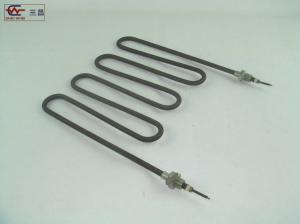
Electric Heating Solutions for Modern Homes
Electric heaters dominate modern winter heating supplies due to their convenience and versatility. Space heaters come in various types: ceramic heaters use fans to distribute heat quickly, making them ideal for small rooms; oil-filled radiators provide silent, consistent warmth through thermal radiation, perfect for bedrooms; infrared heaters emit targeted heat that warms objects directly, efficient for spot heating in garages or workshops. When selecting electric heating supplies, consider energy efficiency ratings – models with thermostats and programmable timers reduce electricity consumption significantly. Safety features are non-negotiable; tip-over switches automatically cut power if knocked over, while overheating protection prevents internal components from reaching dangerous temperatures. For whole-house solutions, ductless mini-split systems offer zoned heating without ductwork, combining heating and cooling functions. Electric blankets and heated mattress pads provide direct body warmth with adjustable settings, often featuring auto-shutoff functions after 10 hours to prevent overheating during sleep. Remember to never plug high-wattage heaters into extension cords, as this can cause electrical fires – always connect directly to wall outlets rated for the appliance’s power requirements.
Traditional Fuel-Based Heating Equipment
Fuel-based winter heating supplies remain essential, especially during power outages or in off-grid locations. Kerosene heaters deliver powerful radiant heat capable of warming large spaces, but require proper ventilation to prevent carbon monoxide buildup – always install carbon monoxide detectors when using combustion-based heating. Propane heaters offer portability with tank sizes ranging from small 1-pound cylinders for camping to large 100-pound tanks for whole-house systems. Wood-burning options include:
- Modern Wood Stoves: EPA-certified models burn efficiently with reduced emissions
- Pellet Stoves: Automated fuel feeding provides consistent heat with minimal supervision
- Fireplace Inserts: Transform inefficient open hearths into effective heating systems
Maintenance is critical for fuel-based heating supplies. Chimneys should be professionally cleaned annually to prevent creosote buildup, a leading cause of chimney fires. Always store fuel properly – gasoline should never be used indoors, and propane tanks must be kept upright in well-ventilated outdoor areas away from ignition sources. Install fire extinguishers rated for Class B (flammable liquids) and Class C (electrical fires) near heating equipment. For emergency preparedness, maintain at least three days’ worth of fuel, factoring in that a standard wood stove consumes approximately 10-15 logs per day during continuous freezing temperatures. Consider installing heat-resistant barriers around stoves and maintaining a three-foot clearance from combustible materials as fundamental fire safety measures.
Personal Heating Apparel and Accessories
Personal winter heating supplies create micro-climates of warmth around the body, complementing ambient heating systems. Electrically heated clothing has revolutionized cold-weather gear:
- Heated Jackets: Carbon fiber elements provide even heat distribution across core areas
- Rechargeable Gloves: Maintain finger dexterity with flexible heating panels
- Insulated Boot Insoles: Battery-powered units combat cold floors effectively
These wearable heating supplies typically feature USB-rechargeable lithium batteries offering 5-10 hours of warmth across multiple heat settings. For non-electric options, thermal base layers made from merino wool or synthetic fabrics like polyester effectively wick moisture while trapping body heat. Down or synthetic-filled vests provide excellent core insulation without restricting movement. Don’t overlook heating accessories like microwaveable heating pads filled with rice or buckwheat – these reusable supplies provide targeted warmth for aching muscles and can be reheated dozens of times. For vehicles, keep emergency heating supplies including chemical hand warmers (which activate when exposed to air
), thermal blankets that reflect body heat, and windshield covers to prevent ice buildup. When selecting heated apparel, prioritize products with safety certifications and automatic shutoff features after 60-90 minutes of continuous use to prevent overheating during extended wear.
Preparing comprehensive winter heating supplies involves combining efficient space heating equipment with reliable fuel sources and personal warming technologies. By understanding the distinct advantages of electric, fuel-based, and wearable heating solutions, households can create layered heating strategies that ensure comfort, safety, and energy efficiency throughout the coldest months, transforming winter from a season of chill into one of cozy warmth.
© 版权声明
文章版权归作者所有,未经允许请勿转载。
相关文章






暂无评论...

