
Categories of Winter Heating Solutions, Understanding Different Home Heating Options

As temperatures plummet, selecting effective winter heating products becomes crucial for comfort and safety. This guide explores five primary categories of heating solutions – from whole-house systems to portable units – detailing their mechanisms, efficiency, and ideal applications to help you navigate the diverse heating products market.
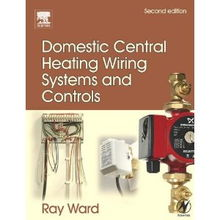
Central Heating Systems for Whole-Home Warmth
Central heating remains the most comprehensive solution for consistent home warmth. These integrated systems distribute heat through ductwork or piping, featuring furnaces (forced-air) and boilers (hydronic) as primary options. Furnaces typically burn natural gas, propane, or oil to heat air circulated via ducts, while boilers use water or steam transferred through radiators or underfloor pipes. Modern high-efficiency models achieve 95%+ AFUE ratings, significantly reducing energy waste. Key advantages include uniform temperature control and compatibility with smart thermostats, though installation requires significant upfront investment. Ductless mini-split systems offer a hybrid approach, providing zoned heating without duct installation. When selecting central heating products, consider fuel availability, home insulation levels, and climate severity to optimize performance.
Space Heaters: Flexible Supplementary and Primary Heating Products
Space heaters deliver targeted warmth and dominate the portable heating market. Four primary technologies cater to different needs: convection heaters (ceramic, oil-filled) warm air naturally, ideal for prolonged use in bedrooms; radiant heaters emit infrared heat for instant spot warming in workspaces; fan-forced heaters circulate heat quickly in small areas; and micathermic panels combine radiant/convection mechanisms. Modern units incorporate critical safety certifications like ETL marks and automatic tip-over/temperature controls. For efficiency, ceramic heaters with adjustable thermostats consume 750-1500 watts, while infrared models provide 3:1 heat-to-energy ratios. Strategic placement 3 feet from combustibles and proper wattage calculation (10 watts/sq ft) ensure safe operation. These accessible heating solutions excel in apartments, offices, and drafty rooms where central systems fall short.
Fireplaces and Wood Stoves: Traditional Heating Solutions
Wood-based heating products blend ambiance with functionality. Traditional masonry fireplaces offer visual appeal but operate at only 10-20% efficiency due to heat loss through chimneys. Modern EPA-certified wood stoves achieve 70-80% efficiency through catalytic combustors and airwash systems, with pellet stoves providing automated thermostat-controlled operation using compressed biomass. Gas fireplaces eliminate wood handling with realistic ceramic logs and vented/ventless configurations, while electric fireplace inserts offer flame effects without heat generation. Critical considerations include installation clearances (36+ inches from combustibles
), chimney maintenance (annual inspection
), and emission standards (under 2g/hour for EPA Phase II). Though requiring more maintenance than electric alternatives, wood and gas units provide reliable heat during power outages, making them essential emergency heating products.
Radiant and Underfloor Heating Technologies
Radiant systems represent the luxury segment of heating products, delivering heat through surfaces rather than air. Hydronic systems circulate heated water through PEX tubing beneath floors, offering exceptional efficiency by eliminating duct losses and operating at lower temperatures than forced-air systems. Electric radiant mats provide easier retrofitting in specific rooms like bathrooms. Infrared panels mounted on walls or ceilings emit electromagnetic waves that directly warm occupants and objects. Benefits include allergen reduction (no air movement
), silent operation, and 25-50% energy savings compared to conventional systems. Installation complexities and slower response times remain drawbacks, but these systems excel in homes with high ceilings, allergy sufferers, and tile/concrete floors where other heating products struggle to maintain comfort.
Supplemental Heating Products for Targeted Warmth
Specialized heating devices address specific comfort needs beyond primary systems. Electric blankets and mattress pads with automatic shut-offs provide bed warming at minimal cost (under 100 watts). Heated clothing like jackets and gloves incorporate carbon fiber elements powered by USB-rechargeable batteries. Desk accessories such as heated mousepads, foot warmers, and keyboard trays combat workspace chill. For outdoor areas, propane patio heaters deliver
40,000+ BTUs with tip-over protection, while electric garage heaters maintain workshop temperatures. These niche products feature low-voltage safety mechanisms, energy-saver modes, and precision thermostats. Though not whole-house solutions, they reduce central heating demand through strategic localized warming, particularly valuable in drafty rooms or during shoulder seasons when full heating system operation proves inefficient.
Choosing suitable winter heating products requires balancing efficiency, safety, and application-specific needs. Central systems provide comprehensive coverage, while space heaters and fireplaces offer supplemental solutions. Innovations in radiant technology and specialized products continue to expand heating options – prioritize ENERGY STAR-rated units, professional installation for permanent systems, and UL-certified safety features for portable devices to maximize warmth while minimizing risks and costs during colder months.
© 版权声明
文章版权归作者所有,未经允许请勿转载。
相关文章





暂无评论...

